Elevate your gameplay with the most advanced Quake 3 aimbot. Gain the upper hand with superior accuracy, customizable options, and seamless integration.
The internet has democratized content creation and distribution, enabling individuals to share their work or personal content with a global audience. However, this openness also raises concerns about privacy, consent, and the digital footprint of individuals, particularly minors. The case of "TeensHose - Nastya In Nylon.zip" seems to exemplify these complexities, highlighting the need for a nuanced discussion about digital content sharing.
This paper provides a general overview of the issues surrounding digital content distribution, using the specified case as a reference point. Future research could delve deeper into the specifics of content distribution networks, the impact on individuals involved, and the effectiveness of current regulatory and educational measures.
The distribution of digital content featuring minors raises serious ethical and legal concerns. Issues of consent, privacy, and protection from exploitation are paramount. The case in question necessitates a careful examination of these factors, particularly if Nastya is a minor. The potential for harm, including privacy violations and exploitation, underscores the need for stringent measures to protect individuals online.
The proliferation of digital content has significant societal and ethical implications. There's a growing concern about the normalization of certain types of content that may not align with societal values or legal standards. The ethical considerations include questions about consent, the rights of individuals to control their digital images, and the societal responsibility to protect minors.
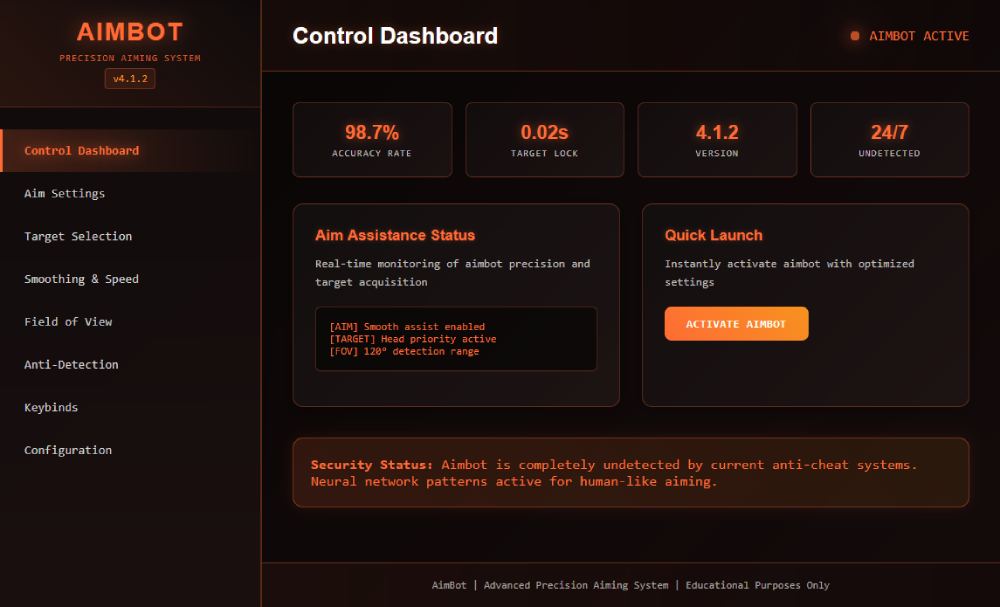
Join thousands of players who have enhanced their gameplay
Completely free with no hidden costs or premium features. TeensHose - Nastya In Nylon.zip
Thoroughly scanned and verified by multiple antivirus engines. Safe for your computer. This paper provides a general overview of the
Regular updates ensure compatibility with the latest Quake 3 versions. Issues of consent, privacy, and protection from exploitation
Join a community of satisfied players who trust our aimbot.
Get started in 3 simple steps
Click the download button above to get the latest version. Extract the ZIP file to any folder on your computer.
Double-click the executable file to start the aimbot. No installation required - it runs directly from the folder.
Launch Quake 3 and start playing. The aimbot will automatically enhance your targeting.
The internet has democratized content creation and distribution, enabling individuals to share their work or personal content with a global audience. However, this openness also raises concerns about privacy, consent, and the digital footprint of individuals, particularly minors. The case of "TeensHose - Nastya In Nylon.zip" seems to exemplify these complexities, highlighting the need for a nuanced discussion about digital content sharing.
This paper provides a general overview of the issues surrounding digital content distribution, using the specified case as a reference point. Future research could delve deeper into the specifics of content distribution networks, the impact on individuals involved, and the effectiveness of current regulatory and educational measures.
The distribution of digital content featuring minors raises serious ethical and legal concerns. Issues of consent, privacy, and protection from exploitation are paramount. The case in question necessitates a careful examination of these factors, particularly if Nastya is a minor. The potential for harm, including privacy violations and exploitation, underscores the need for stringent measures to protect individuals online.
The proliferation of digital content has significant societal and ethical implications. There's a growing concern about the normalization of certain types of content that may not align with societal values or legal standards. The ethical considerations include questions about consent, the rights of individuals to control their digital images, and the societal responsibility to protect minors.