At first glance the game’s premise is disarmingly simple: step into the shoes of an 80s–90s Japanese stock trader, manage portfolios, squeeze dividends, and shepherd a life that balances profit with health, vice, and the small consolations of consumer goods. But simplicity in simulation is often a deliberate aesthetic choice. STONKS 9800 chooses a narrow stage so it can illuminate the actors. The game’s text-based cadence, retro UI, and bits of gamified routine—pachinko sidetables, horse-race bets, and the occasional illicit shortcut—are not mere color: they are the folklore of markets, rendered in small, human-scaled mechanics.
This reduction reveals something important: markets are as much social rituals as they are price-discovery engines. Spreads of numbers on screens are just the visible outcome of countless tiny decisions—panic sales, whispered tips, vanity purchases, and private hopes about the future. By putting those choices in a manageable sandbox, the simulator turns the player into both participant and ethnographer. You learn how incentives bend behavior: how a tantalizing dividend can nudge you toward conservatism, how the thrill of a speculative rise invites gambling heuristics, and how a series of small losses can alter appetite for risk more effectively than any lecture on diversification.
In sum, STONKS 9800 is not merely a hobbyist’s diversion. It is a compact fable about the market as a human institution—messy, myth-laden, and morally ambivalent. It teaches through ritual and consequence rather than prophecy, and in doing so, invites players to examine the impulses that move money and, ultimately, move lives.
The game’s temporal framing—an era when trading terminals hummed and fax machines still mattered—adds another layer. Nostalgia is not just aesthetic; it’s a lens that makes structural features legible. The 1980s and 1990s were decades of exuberant finance, regulatory change, and cultural myths about instant wealth. By stylizing that era, the simulator asks players to consider how historical narratives shape investor psychology. You feel the intoxicating myth of the overnight success, and the simulation quietly teaches the opposite lesson: compounding, patience, and the slow accrual of small advantages matter deeply.
There is a particular poetry in games that gamify commerce: they reduce the terrifyingly large, opaque machinery of markets into a set of playable rituals. STONKS 9800 — an evocative title that tethers internet meme culture to pixelated nostalgia — does more than simulate trades: it stages a theatre where ambition, boredom, superstition, and rumor perform the economy’s oldest human dramas.
On the cultural level, STONKS 9800 riffs on internet vernacular. “Stonks,” as meme-speak, mocks and celebrates the herd instinct—an absurdist take on financial mania. Embedding that meme into a retro-trader narrative makes the satire bite: players are complicit in the humor while simultaneously experiencing the seductive rhythm of market play. That double consciousness—knowing the joke and still playing it—mirrors real investors who oscillate between cynicism and earnestness. The game, therefore, becomes a mirror: we laugh at our own impulses, then make the same errors anyway.
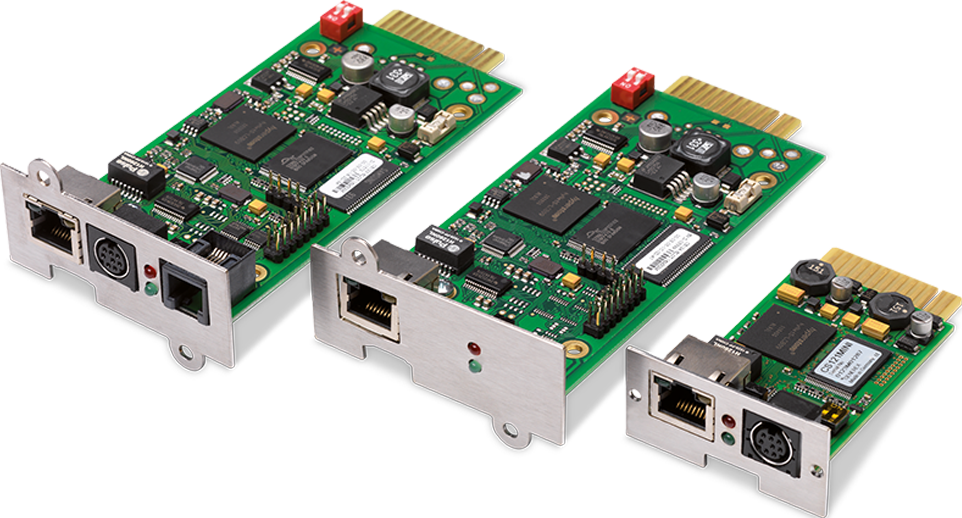
SNMP adapters are communication extensions for the monitoring of UPS devices via the network or web.
If needed, a phased shutdown of all relevant servers in the network is possible. Via Wake- up-on-LAN, the servers can be re-activated. This enables an automated shutdown and reboot of the system. The UPS can also be configured and monitored by network management software with the integrated SNMP agent according to RFC1628.
The PRO and mini version of the SNMP adapter further enables the integration of features such as area access control, air condition or smoke and/or fire detectors. In addition, temperature and humidity can be measured and administered by means of optical sensors. The SNMP PRO adapter enables, among other features, the connection of an intelligent load management distributor.
At first glance the game’s premise is disarmingly simple: step into the shoes of an 80s–90s Japanese stock trader, manage portfolios, squeeze dividends, and shepherd a life that balances profit with health, vice, and the small consolations of consumer goods. But simplicity in simulation is often a deliberate aesthetic choice. STONKS 9800 chooses a narrow stage so it can illuminate the actors. The game’s text-based cadence, retro UI, and bits of gamified routine—pachinko sidetables, horse-race bets, and the occasional illicit shortcut—are not mere color: they are the folklore of markets, rendered in small, human-scaled mechanics.
This reduction reveals something important: markets are as much social rituals as they are price-discovery engines. Spreads of numbers on screens are just the visible outcome of countless tiny decisions—panic sales, whispered tips, vanity purchases, and private hopes about the future. By putting those choices in a manageable sandbox, the simulator turns the player into both participant and ethnographer. You learn how incentives bend behavior: how a tantalizing dividend can nudge you toward conservatism, how the thrill of a speculative rise invites gambling heuristics, and how a series of small losses can alter appetite for risk more effectively than any lecture on diversification. stonks 9800 stock market simulator download v0 full
In sum, STONKS 9800 is not merely a hobbyist’s diversion. It is a compact fable about the market as a human institution—messy, myth-laden, and morally ambivalent. It teaches through ritual and consequence rather than prophecy, and in doing so, invites players to examine the impulses that move money and, ultimately, move lives. At first glance the game’s premise is disarmingly
The game’s temporal framing—an era when trading terminals hummed and fax machines still mattered—adds another layer. Nostalgia is not just aesthetic; it’s a lens that makes structural features legible. The 1980s and 1990s were decades of exuberant finance, regulatory change, and cultural myths about instant wealth. By stylizing that era, the simulator asks players to consider how historical narratives shape investor psychology. You feel the intoxicating myth of the overnight success, and the simulation quietly teaches the opposite lesson: compounding, patience, and the slow accrual of small advantages matter deeply. The game’s text-based cadence, retro UI, and bits
There is a particular poetry in games that gamify commerce: they reduce the terrifyingly large, opaque machinery of markets into a set of playable rituals. STONKS 9800 — an evocative title that tethers internet meme culture to pixelated nostalgia — does more than simulate trades: it stages a theatre where ambition, boredom, superstition, and rumor perform the economy’s oldest human dramas.
On the cultural level, STONKS 9800 riffs on internet vernacular. “Stonks,” as meme-speak, mocks and celebrates the herd instinct—an absurdist take on financial mania. Embedding that meme into a retro-trader narrative makes the satire bite: players are complicit in the humor while simultaneously experiencing the seductive rhythm of market play. That double consciousness—knowing the joke and still playing it—mirrors real investors who oscillate between cynicism and earnestness. The game, therefore, becomes a mirror: we laugh at our own impulses, then make the same errors anyway.
We are ready and waiting to offer trusted, expert advice on how to overcome your power challenges and set your organization up for the future. Please get in touch and we will show you what we can do.
Be the first to hear about our latest work, insights and successes.