GetDataBack Pro
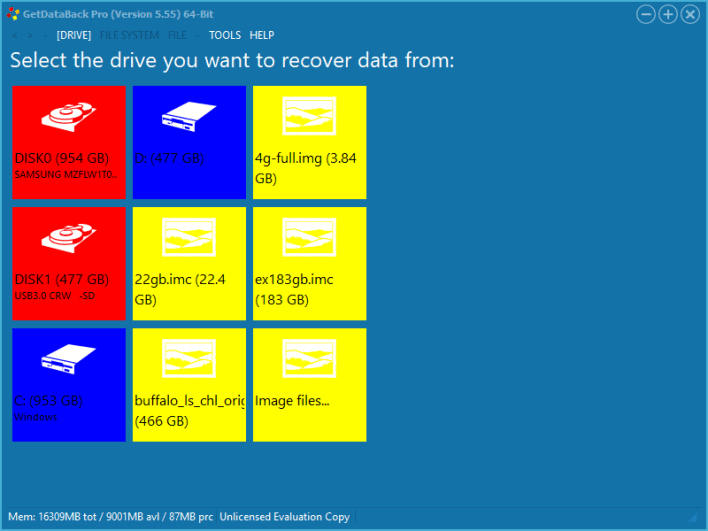
Select drive or image
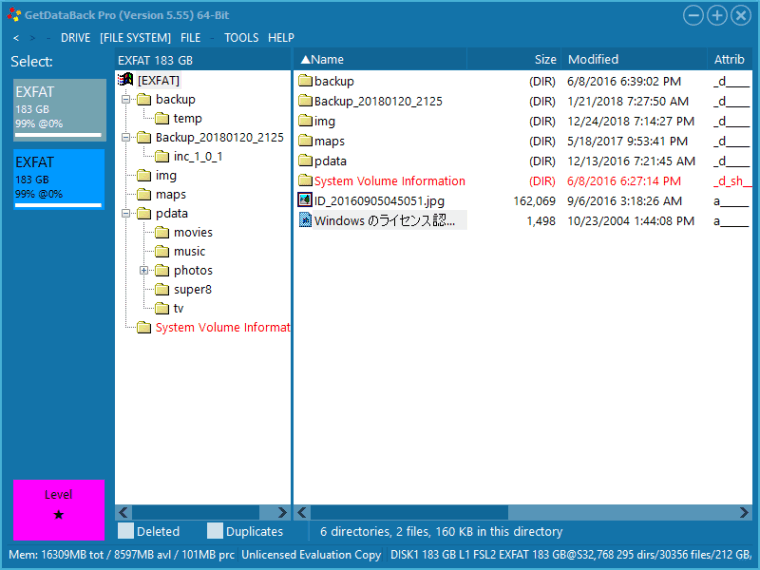
Our flagship product, GetDataBack Pro, is our most powerful data recovery software. It is lightning-fast and supports NTFS, FAT, exFAT, EXT, HFS+, and APFS.
He thought of the fight under the train, of the slip of a temper that ended a life and started a rumor. For years he’d told himself it was a different alley, a different crowd, his own innocence rewritten into absence. The zip file had gathered fragments and, like an archivist, arranged them until they meant something.
He turned it on—not the music player this time, but his phone—and uploaded the evidence to a cluster of anonymous inboxes he trusted. Then he walked away, not to avoid consequence but to let the city listen. If endings were to be collected, he decided, they should sometimes belong to the people who needed them most.
The README had been right: the file only made sense when he let it finish. At the end of the playlist, after the last chorus had run its ragged course, there was silence—long, heavy, not the kind of closure music gives you but the kind life forces when you sever a chord.
"Who are you?" Romeo asked, though he had an idea. The city had a tendency to recycle faces.
The opener was familiar: a drum, low and precise, then a guitar scrape that jutted into the room like a shard. Memory rearranged itself around sound. He saw his old neighborhood in cinematic cuts—alleyway fights beneath sodium lights, the silver shine of wet pavement, the silhouette of a woman on a stoop chewing gum and watching him like a judge who forgot his robe. Each song was a photograph that moved.
The woman by the river smiled at his silence. "Music brought you here," she said. "Now let it take you somewhere."
He thought of the fight under the train, of the slip of a temper that ended a life and started a rumor. For years he’d told himself it was a different alley, a different crowd, his own innocence rewritten into absence. The zip file had gathered fragments and, like an archivist, arranged them until they meant something.
He turned it on—not the music player this time, but his phone—and uploaded the evidence to a cluster of anonymous inboxes he trusted. Then he walked away, not to avoid consequence but to let the city listen. If endings were to be collected, he decided, they should sometimes belong to the people who needed them most.
The README had been right: the file only made sense when he let it finish. At the end of the playlist, after the last chorus had run its ragged course, there was silence—long, heavy, not the kind of closure music gives you but the kind life forces when you sever a chord.
"Who are you?" Romeo asked, though he had an idea. The city had a tendency to recycle faces.
The opener was familiar: a drum, low and precise, then a guitar scrape that jutted into the room like a shard. Memory rearranged itself around sound. He saw his old neighborhood in cinematic cuts—alleyway fights beneath sodium lights, the silver shine of wet pavement, the silhouette of a woman on a stoop chewing gum and watching him like a judge who forgot his robe. Each song was a photograph that moved.
The woman by the river smiled at his silence. "Music brought you here," she said. "Now let it take you somewhere."