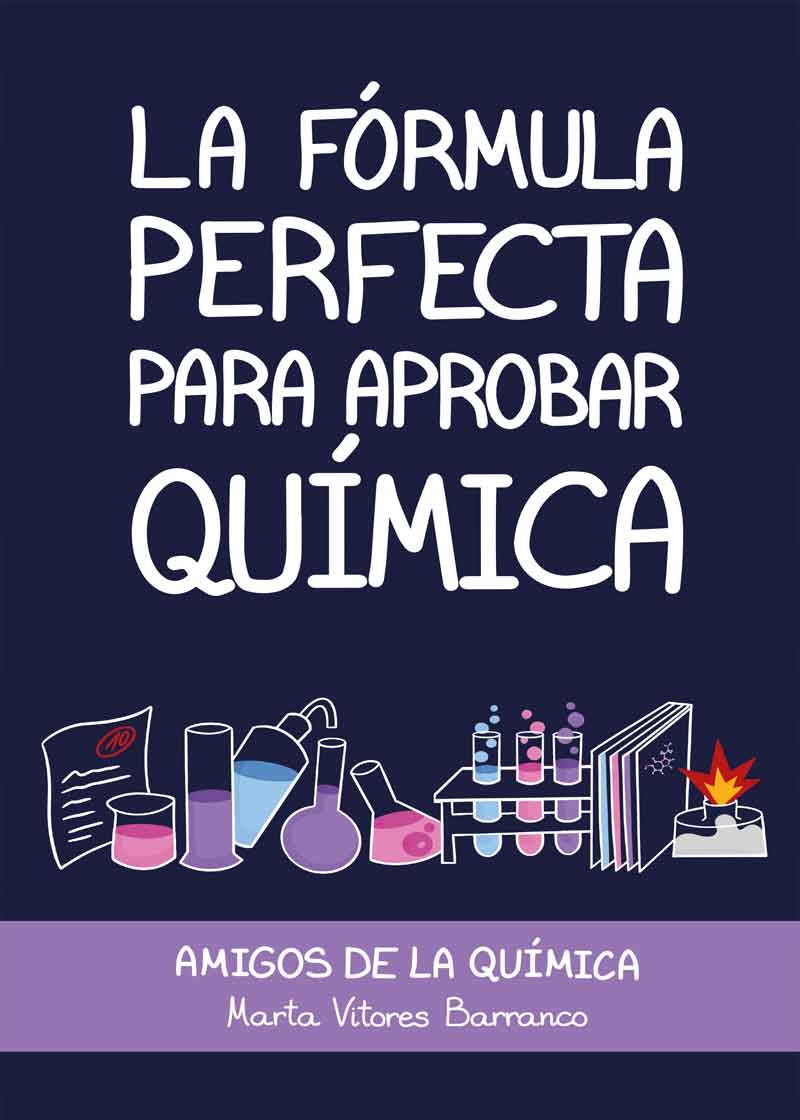
El libro “La fórmula perfecta para aprobar química”
contiene la teoría del curso de 2º de bachillerato de
una manera fácil de comprender y acompañada de
una cuidadosa selección de más de 250 problemas
de acceso a la universidad (Selectividad, EvAU o
EBAU) de todas las comunidades autónomas.
Todos los problemas se encuentran resueltos por
Marta, quien además los acompaña de anotaciones
y trucos.
Además “La fórmula perfecta para aprobar química”
presenta una estructura muy cuidada y está
impreso a todo color para que sea más sencilla la
localización de los conceptos.
Este libro, junto con los videos del canal de Youtube
Amigos de la Química, hacen el tándem perfecto
para obtener una nota excelente en las pruebas de
acceso a la universidad.
Así que, si buscas entender la química y obtener
una nota excelente en las pruebas de acceso a la
universidad, este es el libro que necesitas.
Fl Studio Fruity Video Player Cracked
The primary allure of cracked software is its cost. Official software licenses can be expensive, and for individuals who are hobbyists or just starting in music and video production, the cost can be prohibitive. Cracked versions of software like FL Studio's Fruity Video Player offer a free alternative, seemingly providing access to premium features without the financial commitment. This can be particularly tempting in environments where the use of such software is not professionally reimbursed or in educational settings with limited budgets.
The ethical implications of using cracked software are multifaceted. Firstly, software development is a resource-intensive process that involves significant investment in research, development, and support. By using cracked software, individuals deprive the developers of their rightful earnings, which can impact their ability to invest in future projects and support existing users. This raises questions about fairness and the value of intellectual property. fl studio fruity video player cracked
The use of cracked software, such as FL Studio's Fruity Video Player, presents a complex issue with ethical, legal, and technical dimensions. While the temptation to access premium features for free is understandable, the implications of such actions can be far-reaching. As the digital landscape continues to evolve, promoting a culture of respecting intellectual property and exploring legitimate alternatives can ensure a vibrant and sustainable software ecosystem for all users. The primary allure of cracked software is its cost
For those who cannot afford or do not wish to purchase software licenses, there are often alternative solutions. Free and open-source software (FOSS) offers a range of tools that, while they may not offer the exact same features, can fulfill similar needs. For instance, Shotcut and Lightworks are video editing software that offer powerful features at no cost. Additionally, many software developers offer free trials or basic versions of their products, which can be sufficient for casual users or those with simple needs. This can be particularly tempting in environments where