





Word reached the Twatters nonetheless. They tried to use the controversy for clicks, posting a mocking video of the plaza gathering. It got some traction—the usual chorus of likes and taunts—but the community’s ground-level response had already changed the story. People no longer viewed the rumor as inevitable; they had counter-narratives that were louder in the places that mattered.
Ate Luz kept patrolling. She still answered to many names, and now more people called her “Patrol” with a teasing pride. At night, after locking the trike and sweeping the shop, she checked her own small phone: messages from neighbors thanking her, a forwarded meme from the youth leader that read, “Think before you tap.” She smiled, thinking about forty years of learning that community was not a passive thing. It required attention, a steady presence, and sometimes the simple act of asking a hungry teenager to sit and have coffee.
In the end, the story of Forty, Globe, and the Twatters was neither a viral war nor a heroic battle; it was a small-town reclaiming. A trike, a woman of forty, and a neighborhood that chose to speak to each other in person turned down the volume of online chaos. The Twatters kept tweeting into the void, but in San Rafael, voices were human again—measured, patient, and full of the daily business of living.
We solve real problems that streaming providers face every day.
Every business is different. Our solutions adapt to your needs — from small startups to large providers.
Start small, grow big. Our platform handles traffic spikes without slowing down. No limits on growth.
5+ layers of security, built-in DDoS protection, and encrypted connections. Your content stays safe.

Convert DRM-protected MPD streams to HLS. You bring your own MPD + keys, server or proxy. No content included.
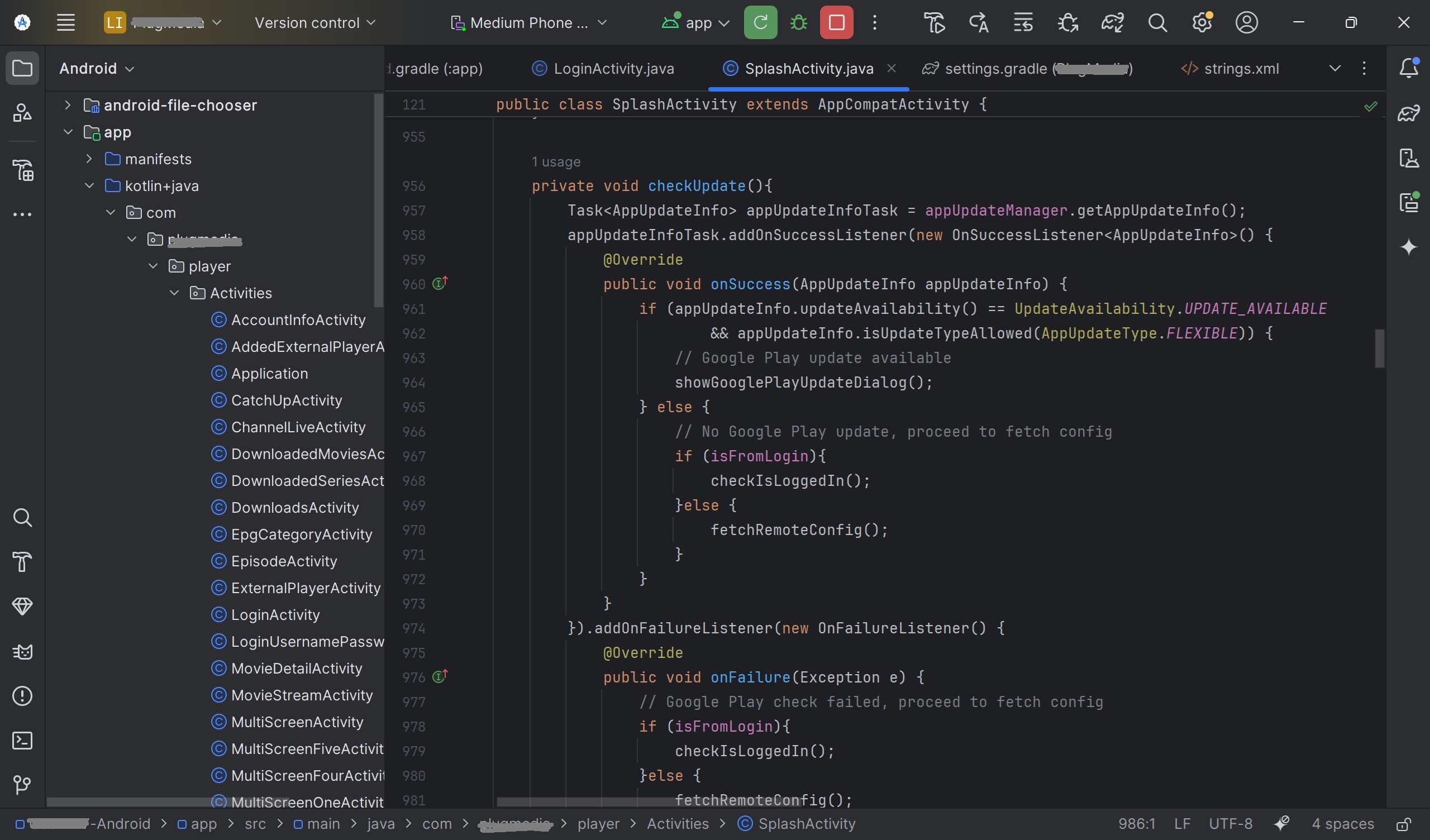
Your own branded IPTV app, ready in 3-7 days. Smart DNS, built-in VPN, all devices supported, and zero downtime with Firebase.
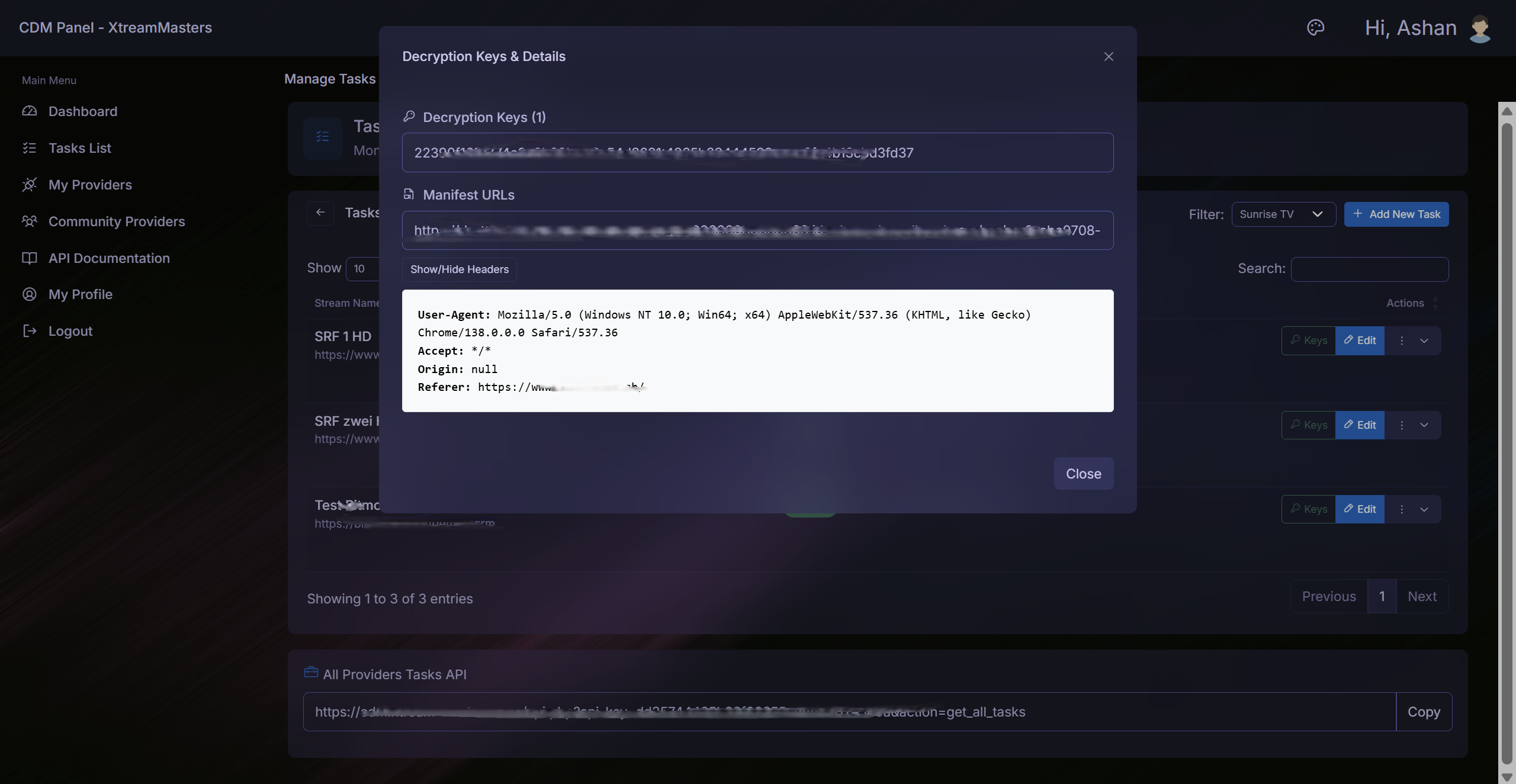
Chrome extension that automatically extracts MPD manifests and Widevine keys. Runs in the background with zero manual effort.
Word reached the Twatters nonetheless. They tried to use the controversy for clicks, posting a mocking video of the plaza gathering. It got some traction—the usual chorus of likes and taunts—but the community’s ground-level response had already changed the story. People no longer viewed the rumor as inevitable; they had counter-narratives that were louder in the places that mattered.
Ate Luz kept patrolling. She still answered to many names, and now more people called her “Patrol” with a teasing pride. At night, after locking the trike and sweeping the shop, she checked her own small phone: messages from neighbors thanking her, a forwarded meme from the youth leader that read, “Think before you tap.” She smiled, thinking about forty years of learning that community was not a passive thing. It required attention, a steady presence, and sometimes the simple act of asking a hungry teenager to sit and have coffee.
In the end, the story of Forty, Globe, and the Twatters was neither a viral war nor a heroic battle; it was a small-town reclaiming. A trike, a woman of forty, and a neighborhood that chose to speak to each other in person turned down the volume of online chaos. The Twatters kept tweeting into the void, but in San Rafael, voices were human again—measured, patient, and full of the daily business of living.
