Exploring the intersection of materials, chemistry, and design.
The Debonair Indian scandal was a highly publicized incident that raised important questions about the media's role in reporting on celebrity scandals, the importance of respecting individuals' privacy, and the need for responsible journalism.
The Debonair Indian scandal marked a turning point in the Indian media landscape. The incident highlighted the growing trend of sensationalism and the blurring of lines between journalism and voyeurism.
The Debonair Indian scandal had significant legal implications. Shayan Munshi, the actor involved in the scandal, filed a lawsuit against the media outlets that aired the video, citing invasion of privacy and emotional distress.
The Debonair Indian scandal, also known as the MMS portable controversy, refers to a highly publicized incident that shook the Indian entertainment industry. The scandal involved a compromising video featuring a prominent Indian celebrity, which was leaked online and spread like wildfire. In this blog post, we'll delve into the details of the scandal, its aftermath, and the impact it had on the Indian media landscape.
The controversy served as a wake-up call for the Indian media industry, prompting a re-evaluation of its approach to reporting on sensitive and private information. As the media landscape continues to evolve, it's essential to prioritize responsible and respectful journalism, ensuring that the rights and dignity of individuals are protected.
The controversy led to a heated debate about the responsibility of the media in handling sensitive and private information. Many argued that the media outlets had crossed a line by airing the video, while others defended their actions, citing the public's right to know.
No upcoming events scheduled.
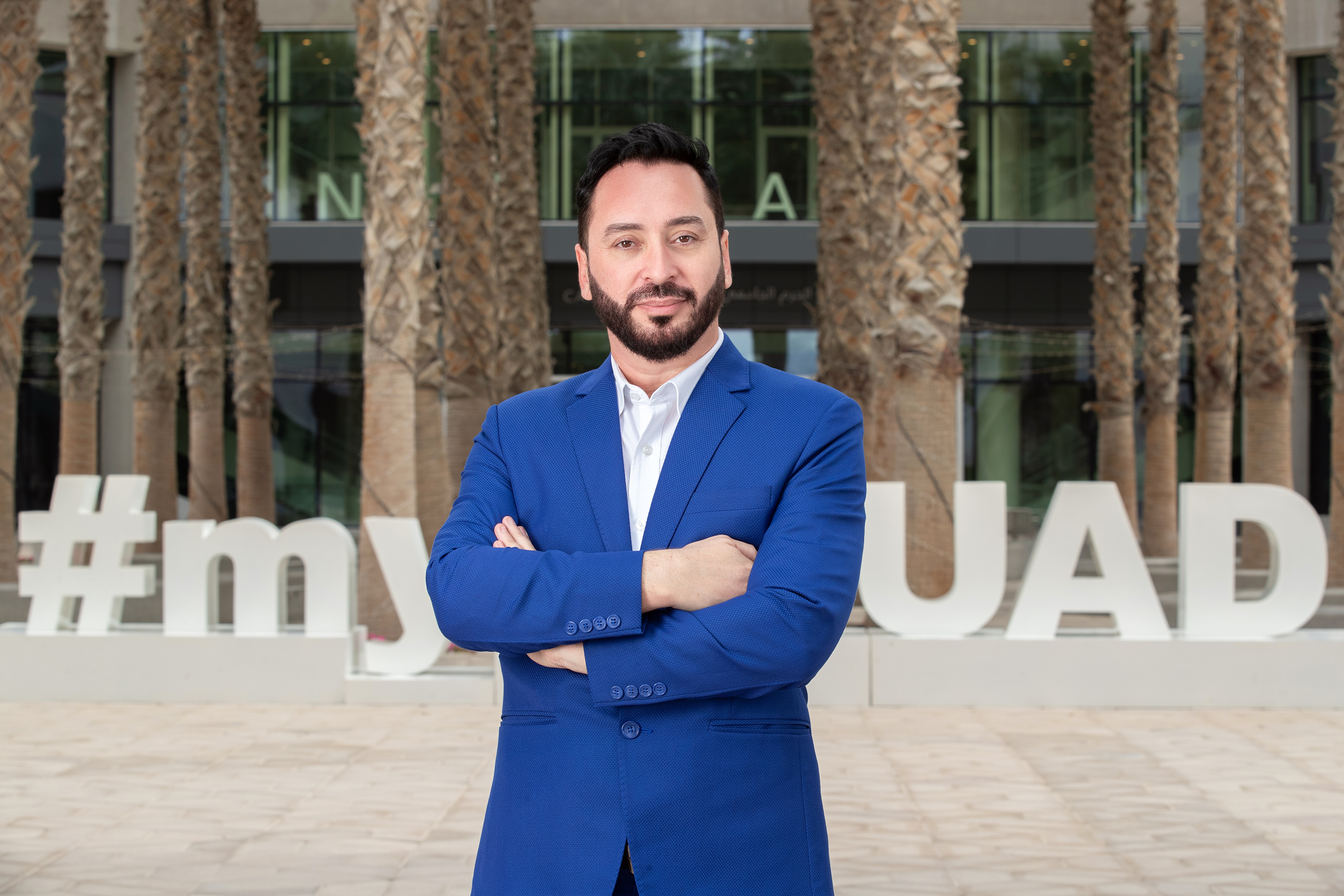
Principal Investigator, Professor of Chemistry
Panče Naumov leads the Smart Materials Lab and the Center for Smart Engineering Materials at NYUAD. His group is internationally recognized for pioneering crystal adaptronics and advancing adaptive molecular solids, with applications in sensing, robotics, optics, and energy systems.
Meet the TeamThe Debonair Indian scandal was a highly publicized incident that raised important questions about the media's role in reporting on celebrity scandals, the importance of respecting individuals' privacy, and the need for responsible journalism.
The Debonair Indian scandal marked a turning point in the Indian media landscape. The incident highlighted the growing trend of sensationalism and the blurring of lines between journalism and voyeurism. debonair indian scandal mms portable
The Debonair Indian scandal had significant legal implications. Shayan Munshi, the actor involved in the scandal, filed a lawsuit against the media outlets that aired the video, citing invasion of privacy and emotional distress. The Debonair Indian scandal was a highly publicized
The Debonair Indian scandal, also known as the MMS portable controversy, refers to a highly publicized incident that shook the Indian entertainment industry. The scandal involved a compromising video featuring a prominent Indian celebrity, which was leaked online and spread like wildfire. In this blog post, we'll delve into the details of the scandal, its aftermath, and the impact it had on the Indian media landscape. The scandal involved a compromising video featuring a
The controversy served as a wake-up call for the Indian media industry, prompting a re-evaluation of its approach to reporting on sensitive and private information. As the media landscape continues to evolve, it's essential to prioritize responsible and respectful journalism, ensuring that the rights and dignity of individuals are protected.
The controversy led to a heated debate about the responsibility of the media in handling sensitive and private information. Many argued that the media outlets had crossed a line by airing the video, while others defended their actions, citing the public's right to know.
We are proud that the Smart Materials Lab is the leading team in impactful chemistry research in the United Arab Emirates, with research output that, according to the Nature Index, accounts for 40‒60% of the total chemistry publications within the country, both in fractional count and weighed fractional count. The past and current research projects in the Smart Materials Lab have been sponsored by Abu Dhabi National Oil Company (ADNOC), Abu Dhabi Education Council (ADEC), Human Science Frontier Program Organization (HFSPO), and the UAE National Research Foundation (NRF), in addition to generous financial support from NYUAD and the NYU Abu Dhabi Institute. The members of the Smart Materials Lab work closely with NYUAD's Center for Smart Engineering Materials (CSEM).